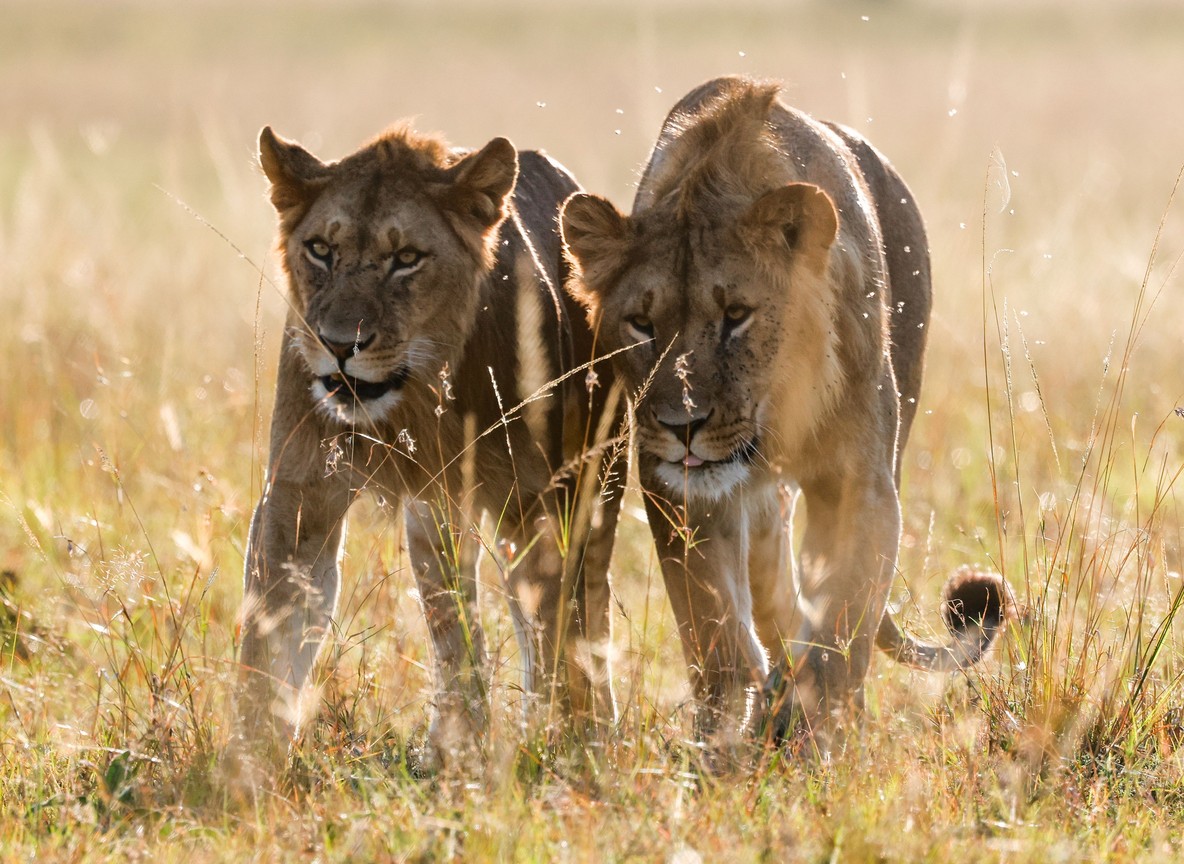
The decision between gorilla trekking vs Kenya safari is one of the most common planning questions for East Africa trips, and it deserves a clear-eyed answer rather than a quick one. Both options involve extraordinary wildlife. Both can define a trip. But the physical demands, logistics, costs, and the kind of experience you actually have are genuinely different. Choosing the wrong fit can leave a traveler wishing they had spent their time differently.
This article breaks down what each option involves, what it costs, and which type of traveler each suits best.
Quick Comparison: Gorilla Trekking vs Kenya Safari
| Factor | Kenya + Uganda Gorilla Combination | Pure Kenya Safari |
|---|---|---|
| Countries | Kenya plus Uganda | Kenya only |
| Primary wildlife | Big Five and mountain gorillas | Big Five and Great Migration |
| Trip duration | 14 days minimum recommended | 5 to 14 days |
| Logistics | Complex: visa, border crossing, Uganda routing | Simple: internal Kenya flights |
| Gorilla permit | $700 USD per person (Uganda Wildlife Authority) | Not applicable |
| Total cost | Significantly higher | Lower and more flexible |
| Physical demand | High: forest hike of 30 minutes to 5 hours | Moderate: vehicle-based game drives |
| Suitable for children | No: minimum age 15, terrain demanding | Yes: families travel Kenya well |
| Best for | Wildlife enthusiasts, milestone trips, 14-plus day availability | First-time safari, families, budget flexibility |
The Kenya and Uganda Combination
What the Itinerary Looks Like
A Kenya-plus-gorilla-trekking trip typically runs 14 to 18 days and moves through two countries in sequence:
- Days 1 to 6: Masai Mara National Reserve or a private conservancy. Big Five, possible Great Migration river crossings, morning and evening game drives.
- Day 7: Transit through Nairobi, internal flight to Entebbe, Uganda.
- Days 8 to 11: Bwindi Impenetrable National Park. Mountain gorilla trekking, one habituated family encounter per permit.
- Days 12 to 13: Kibale National Park. Chimpanzee tracking.
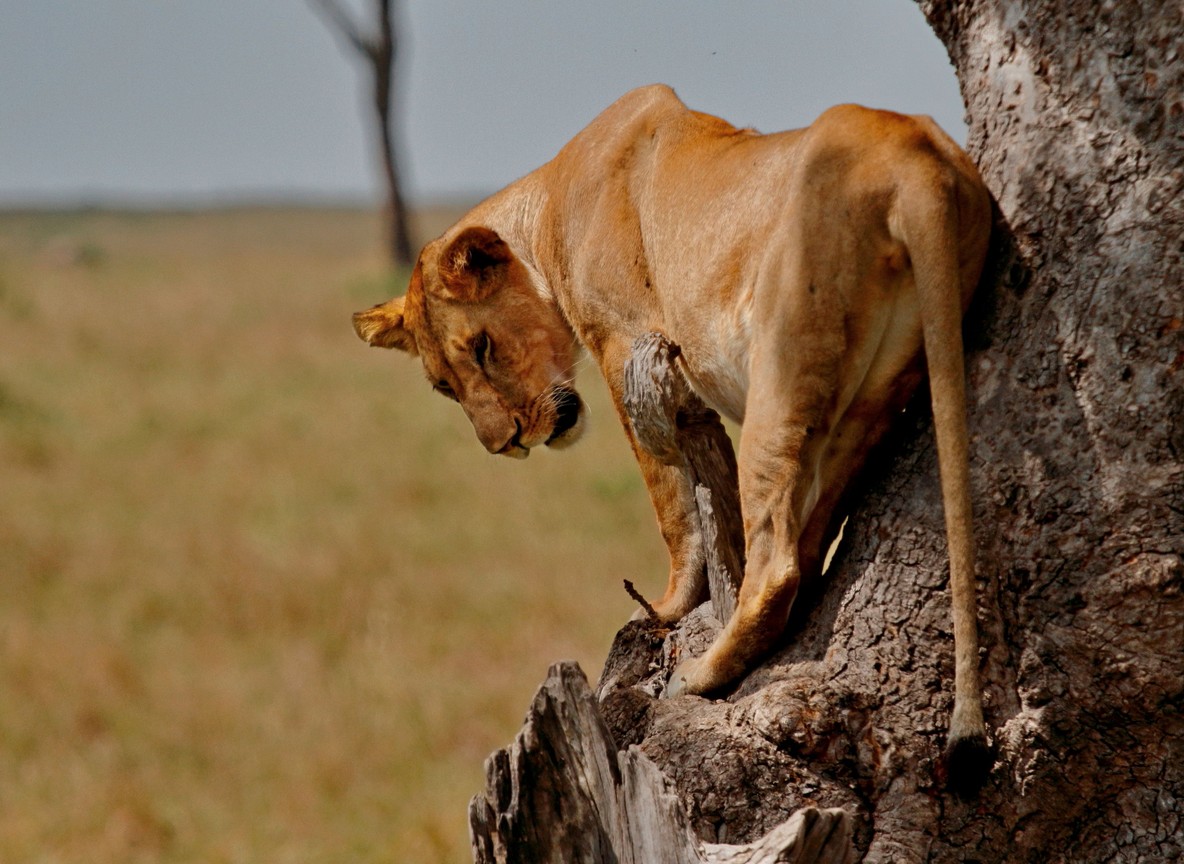
- Days 14 to 15: Queen Elizabeth National Park. Tree-climbing lions, Kazinga Channel boat cruise.
- Day 16: Entebbe, international departure.
The shift between the two halves of this itinerary is pronounced. The Mara delivers open grassland game drives from a vehicle. Bwindi puts you on foot in steep, dense equatorial forest. That contrast is part of what makes the combination appeal to experienced safari travelers. It also means two very different physical realities packed into one trip.
The Gorilla Encounter
Mountain gorilla trekking in Bwindi Impenetrable National Park is an experience not available anywhere in Kenya. Groups of no more than eight visitors enter the forest alongside a ranger and a tracker. The time it takes to locate the gorilla family ranges from 30 minutes to five hours, depending on where the group moved the night before.
Once found, visitors spend 60 minutes with the habituated family. Gorillas often move within five to ten meters of the group. Silverback males, juveniles playing in the canopy, mothers with infants — the encounter is close, quiet, and takes place entirely within the animals’ own habitat. Travelers who have done it consistently describe it as unlike any other wildlife experience available in East Africa.
Logistics and Budget
Adding Uganda to a Kenya trip requires planning across several layers:
- Uganda visa: $50 on arrival for most nationalities. The East Africa Tourist Visa covers Kenya, Uganda, and Rwanda for $100 total and is worth checking if you plan to visit all three.
- Flight from Nairobi to Entebbe: approximately two hours.
- Transfer to Bwindi: seven to nine hours by road, or 30 to 45 minutes by charter flight.
- Gorilla permit: $700 USD per person per trek. This is a fixed Uganda Wildlife Authority fee with no negotiation or discount.
- Uganda accommodation: $200 to $1,000 or more per person per night, depending on the camp.
For two people, the gorilla permits alone add $1,400 to the trip cost before Uganda transport and accommodation are factored in. A 14-day Kenya-plus-Uganda combination will cost substantially more than a Kenya-only trip of equal length.
A Pure Kenya Safari Circuit
What 14 Days in Kenya Delivers
Kenya holds more ecological variety than many first-time visitors expect. A 14-day circuit entirely within the country can cover:
- Masai Mara: Big Five sightings, Great Migration (July to October), conservancy night drives
- Amboseli: Large elephant herds with Kilimanjaro as backdrop
- Samburu: Northern Kenya species found nowhere in the south — Grevy’s zebra, reticulated giraffe, Beisa oryx, Somali ostrich — in a completely different ecosystem
- Ol Pejeta Conservancy: Northern white rhino, black rhino, chimpanzee sanctuary, and strong lion and leopard sightings
- Laikipia Plateau: Wild dogs, horseback safaris, rhino tracking on foot
- Kenya Coast: Marine wildlife, Swahili culture, Diani Beach
Five distinct ecosystems, four radically different wildlife communities, and no international border crossing. Internal Kenya flights connect most parks efficiently, keeping overland drive times manageable.
The Case for Depth Over Breadth
One practical argument for staying in Kenya is the quality of time you can give each location. A combined trip typically allocates four or five days to the Mara before heading to Uganda. A pure Kenya circuit can give seven nights in the Mara alone, including dawn and dusk drives across multiple zones, a hot-air balloon safari at sunrise, river crossing positions during migration season, and walking safaris inside the conservancies. That level of immersion produces a different quality of understanding than covering more ground across two countries.
Which Choice Fits Your Trip
Consider the Gorilla Add-On If You:
- Have 14 or more days and want wildlife diversity across two countries
- Are physically fit and comfortable with a steep, unpredictable forest hike that could run several hours
- Can absorb the $700 gorilla permit plus Uganda transport and accommodation costs
- Have already completed a Kenya safari and want a distinctly different kind of wildlife encounter
- Have a specific interest in primates or great ape behavior
- Are traveling without children under 15
Consider a Pure Kenya Safari If You:
- Are visiting East Africa for the first time and want to experience Kenya’s full range
- Have 14 days and prefer depth in each park over breadth across countries
- Are traveling with children, since gorilla trekking minimum age is 15 and the terrain is demanding
- Want to include Samburu, Laikipia, and the coast alongside the Mara, all within one country
- Prefer single-country logistics without visa layers, charter flights, and multi-day transfers
- Have a budget where the gorilla permit and Uganda costs are prohibitive
Explorer Notes
Gorilla permits book out months in advance. Uganda Wildlife Authority limits each gorilla family to eight visitors per day. Permits sell out early during peak months, roughly June to September and December to January. If gorilla trekking is the primary goal, secure the permit before booking flights or accommodation.
The trek is not graded and the terrain is not predictable. Bwindi’s forest is steep. The trail is not maintained to fixed standards and the hike length depends on where the gorillas traveled. Anyone with significant joint problems, limited cardiovascular fitness, or mobility concerns should assess this carefully before committing.
Children under 15 cannot trek gorillas. This is a Uganda Wildlife Authority rule, not a guideline. Families with younger children should plan a Kenya-only circuit or consider other Uganda wildlife options that do not involve the gorilla permit.
The East Africa Tourist Visa is worth checking. At $100 for Kenya, Uganda, and Rwanda combined, it saves money over separate visas on the combination trip. Verify current eligibility and entry requirements at the time of booking, since visa rules change.
Great Migration timing affects the Kenya leg. The migration’s Mara River crossings concentrate from roughly July through October. Traveling outside this window still produces strong Big Five sightings across the Mara, but the river crossing spectacle is seasonal.
Conclusion
Gorilla trekking vs Kenya safari is not a question with a single correct answer. It depends on trip length, budget, physical fitness, and what you are most drawn to experiencing. The gorilla encounter at Bwindi is singular and cannot be replicated in Kenya. A full Kenya circuit, by contrast, covers an astonishing ecological range without the permit cost, cross-border logistics, or physical demands of a Uganda extension. Both are strong choices. The difference lies in what you are optimizing for and how much time and budget you have to work with.
For current gorilla permit availability and Uganda entry requirements, check the Uganda Wildlife Authority website directly before finalizing plans.
Turn this reading into a real itinerary with help from a Kenya-based safari team.
Start Planning Your Safari